

Race Car Seats and Accessories
Find race car seats and accessories engineered for every application, from sprint cars and dirt track builds to pro street drag cars, at Behrent’s Performance Warehouse. Shop race car seats, full containment racing seats, and accessories for smaller tracks, lower-horsepower classes, and setups that need more driver support through deep turns and rough surfaces. Seamlessly molded, durable high- or low-back Kirkey Racing seats are designed to withstand impact, and they’re compatible with most safety harnesses and equipment. Lightweight aluminum seat frames help protect the driver in a collision while keeping the interior race-ready. Whether you need a sprint, dirt, or circle track racing seat, or a drag race seat, Behrent's carries the products and support parts to fit your build. Racing seat padding, foam kits, mounts, leg restraints, and lumbar support help improve comfort, positioning, and cockpit setup for long race days.
Shop Behrent’s for Race Car Seats and Accessories
Choose automotive racing seats by driver fit, cockpit space, class rules, harness compatibility, and how much containment your racing application needs. Match the seat, mounts, padding, foam, and support accessories to the driver and car so the cockpit feels secure, comfortable, and ready for race-day abuse.

Item Number: KIR81HRS
$62.00
Usually Ships In 3-5 Business Days
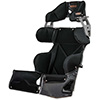
Item Number: KIR81140KIT
$699.00
Usually Ships In 3-5 Business Days
Item Number: KIR81150KIT
$699.00
Usually Ships In 3-5 Business Days
Item Number: KIR81160KIT
$699.00
Usually Ships In 3-5 Business Days
Item Number: KIR81170KIT
$699.00
Usually Ships In 3-5 Business Days
Item Number: KIR81185KIT
$739.00
Usually Ships In 3-5 Business Days

Item Number: KIR99404
$105.00
Usually Ships In 3-5 Business Days
Item Number: KIR99406
$105.00
Usually Ships In 3-5 Business Days
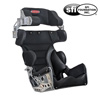
Item Number: KIR93140KIT
$2,399.00
Usually Ships In 3-5 Business Days
Item Number: KIR93150KIT
$2,399.00
Usually Ships In 3-5 Business Days
Item Number: KIR93160KIT
$2,399.00
Usually Ships In 3-5 Business Days
Item Number: KIR93170KIT
$2,399.00
Usually Ships In 3-5 Business Days
Standard Racing Seats vs. Full Containment Seats
Standard aluminum auto racing seats are often chosen for lightweight support, affordability, and straightforward cockpit fitment. A full containment racing seat adds more head, shoulder, and side support, which can help keep the driver positioned during hard cornering, rough track conditions, or impacts. Sprint car and drag race seats, as well as circle track racing seats, are shaped for different cockpit layouts and driving positions, so match the seat style to both the driver and the race car.
Shop Race Car Seats by Application
| Race Type or Driver Need | Best-Fit Seats and Accessories to Shop |
|---|---|
| Dirt track and circle track racing | Aluminum racing seats, layback seats, containment seats |
| Sprint car racing | Sprint car seats, leg protectors, head supports, shoulder supports |
| Drag racing | Drag race seats, pro street drag seats, lightweight bucket seats |
| Added side and head support | Full containment racing seats |
| Youth or quarter midget racing | Child seats, junior race seats, small-driver seat options |
| Better comfort on long race days | Seat padding, foam kits, lumbar support, covers |
| Secure installation | Seat mounts, brackets, restraint attachments, mounting hardware |
| Harness compatibility | Seats designed to work with safety harnesses and restraint systems |
How to Choose Race Car Seats and Accessories
Start with the driver’s measurements and the available space inside the race car, then choose race car seats and accessories that fit the application, harness setup, and class rules.
- Measure the driver: Check seated hip width, chest or rib width, shoulder height, and shoulder width.
- Measure the car: Confirm cockpit width, mounting space, and clearance.
- Match the race type: Choose sprint, dirt track, circle track, drag, or containment seats as needed.
- Check containment: Use full containment seats where added head, shoulder, or side support is needed.
- Complete the setup: Add mounts, foam, padding, leg supports, and harness-compatible hardware.
Frequently Asked Questions About Race Car Seats and Accessories
When is a racing seat needed?
A racing seat is needed when a driver competes in motorsports and needs proper support, positioning, and compatibility with a restraint system. A sturdy race car seat helps limit excess movement during hard cornering, braking, rough track conditions, or a collision. Always check your track or sanctioning body rules for seat design, height, mounting, and certification requirements.
How do you choose a race seat size?
Choose a racing seat that fits both the driver and the car. Measure the cockpit space first, then measure the driver’s hips, chest width, chest depth, shoulder height, and shoulder width. Compare those measurements to the manufacturer’s seat chart so the seat supports the driver without being too tight, too loose, or difficult to mount correctly.
What is a full containment racing seat?
A full containment racing seat is designed with added head, shoulder, and side support to help keep the driver positioned in the seat. It is often used when drivers need more lateral support during hard cornering, rough track conditions, or impacts. Choose one based on driver measurements, cockpit clearance, harness compatibility, and your racing class rules.
What accessories do you need with a race car seat?
Common race car seats and accessories include seat mounts, mounting brackets, foam kits, padding, lumbar support, leg protectors, shoulder supports, head supports, seat covers, and restraint attachments. The right accessories depend on the seat style, driver fit, vehicle layout, and harness system. Use accessories to improve fit, support, comfort, and installation, not to make the wrong seat size work.
What is the difference between a racing seat and a regular car seat?
A racing seat is built to keep the driver supported and positioned, and is compatible with a racing harness during motorsports use. Unlike a regular car seat, automotive racing seats are usually lighter, more rigid, and shaped to limit movement during hard cornering, braking, impacts, or rough track conditions. Many racing seats also include containment features, harness openings, side support, and mounting options for race car interiors.
Do race car seats need to be padded?
Many race car seats use padding, foam kits, or seat inserts to improve driver fit, comfort, and support. Padding can help fill gaps, reduce pressure points, and improve body position in the cockpit. Seat padding should match the seat style and driver measurements, and it should not interfere with the harness, head support, shoulder support, or safe driver movement.