

Racing Battery Systems
Racing battery solutions, cables, and chargers keep your electrical system running at peak performance. They are built to handle the toughest conditions on the track, whether you're running in heat, mud, cold, or humidity. You can find racing battery systems in an assortment of amps and weights that support your car traversing dirt paths or speeding down the asphalt. Batteries and accessories from Braille, Total Power, and XS Power deliver plenty of force right from the start to keep your race car battery strong and consistent all the way to the checkered flag at the finish line. And when you need a quick charge, get a safe and reliable boost with battery chargers from AutoMeter, OptiMate, Moroso, and other top names in the racing industry. Bolster your system with cables, terminals, and accessories that support you at every turn of the engine. Power your car on the track, in the pit, or heading to the garage with a dependable racing car battery system made for anything you can dish out.
Shop Behrent’s for Racing Battery Systems
Shop racing battery options built for reliable starts and steady power from the pits to the checkered flag. Behrent’s carries race car batteries, along with the cables, chargers, and accessories to complete your setup.

Item Number: BRL2018
$99.50
Same Day Shipping If Ordered Before 5pm
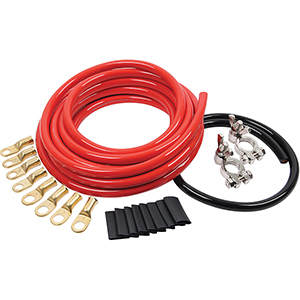
Item Number: ALL76114
$95.99
Same Day Shipping If Ordered Before 5pm
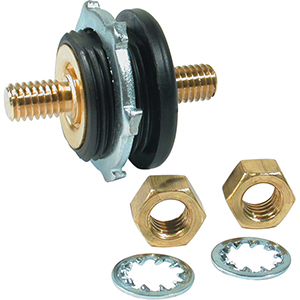
Item Number: ALL76142
$16.49
Same Day Shipping If Ordered Before 5pm
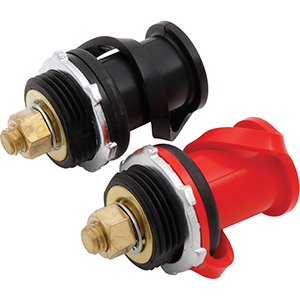
Item Number: ALL76139
$27.99
Same Day Shipping If Ordered Before 5pm
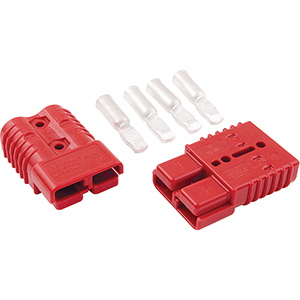
Item Number: ALL76322
$39.99
Same Day Shipping If Ordered Before 5pm
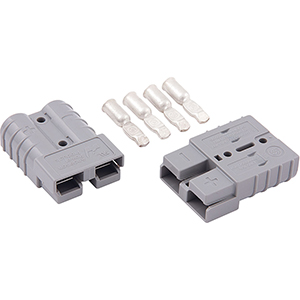
Item Number: ALL76320
$19.99
Same Day Shipping If Ordered Before 5pm
Item Number: BRP1541
$40.94
Same Day Shipping If Ordered Before 5pm

Item Number: ALL76102
$59.99
Same Day Shipping If Ordered Before 5pm
Item Number: BRL1418
$83.50
Same Day Shipping If Ordered Before 5pm
Item Number: BRLBRBPP3
$79.99
In Stock - Discontinued when stock runs out
Item Number: BRLBRBSMTPN
$14.24
In Stock - Discontinued when stock runs out

Item Number: FSP-IPT7.PM2K16
$1,449.00
Same Day Shipping If Ordered Before 5pm
Frequently Asked Questions About Racing Battery Systems
What is a racing battery?
A racing battery is a motorsports-grade battery built for strong cranking power and stable voltage under vibration and heat. A typical example is a sealed AGM unit designed to handle repeated starts and rough track conditions without the leaks and failures you see from a standard street battery.
What is the best size battery for a race car?
Most race cars use a small lightweight battery in the 16 to 20 amp-hour range if they have an alternator and mainly need starting power. If you run without an alternator, a larger battery in the 24 to 40 amp-hour range is better, so it can carry the full electrical load for the race without the voltage dropping. If you have high compression and frequent hot restarts, choose the option with higher cranking power rather than the lightest battery.
What type of battery is best for a race car?
Many weekly circle track cars use a sealed AGM battery because it is consistent, durable, and straightforward to maintain. Lithium is a strong choice when weight savings matter and you can follow the right charging routine. A 16-volt setup can be a good fit for certain electrical packages that benefit from higher voltage, but it should match the components and rules you run.
What is the difference between a 12V and a 16V racing battery?
A 12V battery is the standard voltage used in most cars and is compatible with typical 12V starters, ignitions, electronics, and chargers.
A 16V battery runs at a higher voltage, which spins the starter faster and keeps voltage from sagging as much under heavy electrical load, but it often requires 16V-compatible components (or voltage regulation for 12V electronics) and a 16V-capable charging setup.
Is a lithium battery good for racing?
Yes, when it’s the correct motorsports-grade lithium (commonly LiFePO4), and you manage it properly. Benefits include major weight savings, strong voltage stability, and a fast recharge. Make sure you confirm it’s legal for your class and compatible with your electrical system.
Do racing batteries need a special charger?
Yes. Racing batteries often need a special charger, especially if you are running a lithium battery or a 16V setup. Most AGM and lead-acid racing batteries charge well with a quality smart charger that has an AGM setting, but lithium batteries should be charged with a lithium-compatible charger (such as one designed for LiFePO4) so you get a full, safe charge without shortening battery life. If you are running 16V, use a charger designed to reach proper 16V charging voltage targets rather than a standard 12V charger.
How long does a racing battery last?
With proper mounting, regular charging, and avoiding full discharges, many racers see one to three seasons as a realistic window for a racing battery. Lithium batteries can last longer in cycle life when charged correctly and protected from over-discharge, while traditional AGM/lead batteries often wear faster when repeatedly drained and recharged.
What battery accessories do I need for a race car?
A solid baseline example is a battery, quality cables, a master disconnect, and a secure hold down. From there, most racers add a charger matched to the battery type, proper terminals and lugs, and protective loom or grommets anywhere cable passes through metal. These items prevent voltage loss, shorts, and race-ending electrical problems.
Why use a battery disconnect switch in a race car?
A disconnect switch improves safety and is commonly required by rules. It allows you (or a safety worker) to quickly cut power in an emergency—fire, crash, wiring short, or if the car needs to be shut down fast. It also helps reduce parasitic drain when the car sits between race nights.
Do I need a battery box or hold down for racing?
In most cases, yes. A proper battery box or hold-down prevents movement under vibration and impacts. It also reduces the risk of shorting or cable damage and helps meet tech requirements for secure mounting. Even sealed batteries should be solidly mounted; a loose battery is one of the fastest ways to create electrical failures (or worse) at the track.
What battery cables should I use for a race car?
Short runs with typical starters often do well with 1/0 or 2 AWG (many racers prefer heavier gauge for hot starts). Longer runs (rear-mounted battery) usually need 1/0 or 2/0 to avoid voltage drop.
Can I run a race car without an alternator?
Yes, you can run without an alternator if the battery has enough capacity and you keep it charged. The more electrical load you run, the more important it is to monitor voltage and avoid running the battery too low during the night.
How do I know when my race car battery needs to be replaced?
The most common sign is when the car cranks slower than normal after it is fully charged, especially on a hot restart. Other signs include voltage dropping quickly when fans or pumps are on, needing to charge more often than usual, or the battery not holding a charge after sitting. Physical swelling or damage is also a clear replacement signal.
Can I use a regular car battery in a race car?
You can, but it’s not ideal. A typical street battery isn’t built for sustained vibration, aggressive cycling, or the mounting constraints in a race chassis. A purpose-built racing battery is generally more reliable, often lighter, and better suited for track conditions, especially if you run without an alternator or have higher electrical demands.
What spare battery parts should I keep at the track?
Having spare lugs and a short length of cable can save the night. Many racers also keep extra terminals, heat shrink, a basic crimp tool, and a known-good spare battery if they run without an alternator. A spare charger lead is also worth having because they get damaged more often than people expect.