

Racing Brakes & Brake Parts
Racing brakes and brake parts keep your system running smoothly and provide quick, reliable stopping power in your car. You can hit the track running and keep your foot to the floor, but you’ll need a solid set of racing brakes to enter the pit, slow down on a caution, navigate a tight corner, or avoid a wreck. Find racing brake lines, calipers, rotors, cylinders, mounts, and parts engineered for heavy use, light wear, or rough conditions on the track. Racing brakes and parts from top industry names, including Winters, Earl’s, Bicknell, and BSC Components, are sturdy, dependable, and made to support your every stop. We also carry a wide selection of Wilwood brakes. Get the gear you need to stay safe on the race track, no matter what comes your way, when you shop the performance racing brakes and parts at Behrent’s.
Shop Behrent’s for Racing Brakes and Brake Pads
Behrent’s Performance Warehouse stocks components that match real track use, from weekly racing to serious touring programs. If you’re updating race car brakes or replacing worn hardware, you can get the right parts in one place and keep your program consistent.
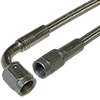
Item Number: BRA3249
$17.42
Same Day Shipping If Ordered Before 5pm
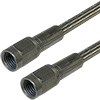
Item Number: BRA324
$14.01
Same Day Shipping If Ordered Before 5pm
Item Number: BRA326
$14.04
Same Day Shipping If Ordered Before 5pm
Item Number: BRA3289
$18.55
Same Day Shipping If Ordered Before 5pm
Item Number: BRA328
$14.58
Same Day Shipping If Ordered Before 5pm
Item Number: BRA3309
$18.40
Same Day Shipping If Ordered Before 5pm
Item Number: BRA330
$15.14
Same Day Shipping If Ordered Before 5pm
Item Number: BRA3329
$19.70
Same Day Shipping If Ordered Before 5pm
Item Number: BRA332
$15.68
Same Day Shipping If Ordered Before 5pm
Item Number: BRA3369
$20.04
Same Day Shipping If Ordered Before 5pm
Item Number: BRA336
$16.78
Same Day Shipping If Ordered Before 5pm
Item Number: BRA304
$8.26
Same Day Shipping If Ordered Before 5pm
Frequently Asked Questions About Racing Brakes and Brake Pads
What’s the difference between race car brakes and street car brakes?
Race car brakes are built to work at much higher temperatures and braking loads than street brakes. Pads are a big difference, since many racing pads use compounds designed for heat and repeated hard stops, while typical street pads are designed for low noise and cold bite. Rotor design, caliper stiffness, and cooling needs also tend to be more critical on track.
What is the best material for racing brake lines?
Stainless steel is the best material for racing brake lines in most high-performance applications. Stainless braid helps limit line expansion under pressure, resists damage, and holds up to heat and harsh conditions compared to standard rubber lines.
What type of rotor is best for racing?
Slotted and drilled rotors are common options for racing, depending on the class and the type of braking load. Material choice matters too, and the best rotor for your setup depends on vehicle weight, tire grip, pad compound, and how much heat you generate over a run.
Are ceramic brakes the same as carbon-carbon brakes?
No. Ceramic brakes usually refer to carbon-ceramic rotors, and carbon-carbon brakes use carbon rotors with carbon pads. Carbon-ceramic systems are designed to be durable and stable across a wide temperature range, and they are common on high-end performance cars because they resist fade and can last a long time in street use. Carbon-carbon brakes are purpose-built for very high-heat racing environments and typically require significant temperature to work at their best, with a different feel and operating requirements than carbon-ceramic setups. The two systems are not interchangeable in design, operating temperature, or typical use case.
What are the main parts of a race car brake system?
The main parts of a race car brake system include the pedal and balance bar (if equipped), master cylinders, brake lines, calipers, pads, rotors, and the mounting hardware that keeps everything aligned and rigid. Most systems also include a proportioning method or balance adjustment to tune front-to-rear braking, plus fluid, fittings, and brackets that support reliability. When selecting parts, think in terms of the system working together: pedal ratio and master cylinder sizing set pressure and travel, caliper piston area affects clamp force, pad compound sets bite and heat behavior, and rotor size and design determine torque and heat capacity.