

Racing Oil Systems & Parts
Racing oil systems keep oil circulating through the engine while supporting lubrication, filtration, oil control, and temperature management under racing conditions. Build or service a wet sump oil system or dry sump oil system with the oil systems and parts needed for your engine and racing application. Behrent’s carries racing oil pumps, racing oil pans, filters, coolers, tanks, pickups, separators, dipsticks, and related components. Match each component to the engine and the rest of the oiling system rather than selecting parts individually. A high-performance oil cooler can help control oil temperature when the application requires additional cooling, while the right racing oil filter supports proper filtration without compromising required flow. Find trusted racing brands, including Moroso, Bicknell, Allstar Performance, and Arts Radiator.
Shop Behrent’s for Racing Oil Systems
Shop racing oil systems and components for oil circulation, filtration, cooling, and oil control. Compare pumps, pans, filters, coolers, tanks, and related hardware for your engine and oil-system configuration.
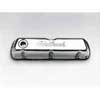
Item Number: EDE4460
$84.95
Usually Ships In 3-5 Business Days
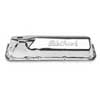
Item Number: EDE4461
$94.95
Usually Ships In 3-5 Business Days
Item Number: EDE4462
$96.95
Usually Ships In 3-5 Business Days
Item Number: EDE4463
$96.95
Usually Ships In 3-5 Business Days
Item Number: EDE4473
$89.95
Usually Ships In 3-5 Business Days
Item Number: EDE4480
$94.95
Usually Ships In 3-5 Business Days
Item Number: EDE4483
$99.95
Usually Ships In 3-5 Business Days
Item Number: EDE4485
$99.95
Usually Ships In 3-5 Business Days
Item Number: EDE4486
$82.95
Usually Ships In 3-5 Business Days
Item Number: EDE4488
$125.95
Usually Ships In 3-5 Business Days
Item Number: EDE4491
$94.95
Usually Ships In 3-5 Business Days
Item Number: EDE4493
$97.95
Usually Ships In 3-5 Business Days
Racing Oil System Parts
A complete racing oil system relies on components that work together. Use the engine and oil-system requirements to narrow the category before comparing individual parts.
| Part | Best for | What To Consider |
|---|---|---|
| Racing oil pump | Circulating oil through the engine and related components | Pump type, required volume and pressure, engine clearances, viscosity, and system design |
| Racing oil pan and pickup | Storing or collecting oil and maintaining access to the oil supply | Capacity, baffling, windage control, pickup position, and clearance |
| Racing oil filter and remote oil filter mount | Filtering contaminants and supporting compatible remote-filter installations | Filter specifications, flow requirements, port size, mounting location, and plumbing |
| High-performance oil cooler | Helping control oil temperature in demanding applications | Cooler capacity, airflow, mounting space, line size, and pressure drop |
| Dry-sump tank and components | External oil storage, scavenging, and circulation in a dry-sump oil system | Tank capacity, pump stages, plumbing, mounting space, and engine requirements |
| Oil separator | Separating oil mist from air or crankcase vapors in compatible systems | System design, connections, capacity, and service requirements |
| Dipsticks, primers, and adapters | Monitoring oil level, supporting initial lubrication, and connecting components | Fit, thread or port size, system compatibility, and intended function |
Wet-Sump vs. Dry-Sump Racing Oil Systems
A wet-sump oil system stores oil in the engine's pan and typically uses an internally mounted pump. A dry-sump oil system stores most of its oil in a separate tank and uses external pumping stages for scavenging and circulation.
A complete dry-sump oil system typically requires a compatible multi-stage pump, external oil tank, pan and pickups or scavenge connections, filter, and related controls. Depending on the application, you'll also need the correct hoses, fittings, brackets, adapters, and other plumbing components.
Neither system is automatically better for every race car. Match the system to the engine, racing class, sustained cornering and acceleration loads, available space, budget, and rules.
Choosing Racing Oil Pumps, Pans, Filters & Coolers
Match each oil-system component to the engine, oil-system design, and operating demands. More pressure, capacity, or cooling isn’t automatically better. The parts need to work together as a system.
- Oil coolers: Choose a high-performance oil cooler for a racing engine based on expected oil temperature, available airflow and mounting space, port and line size, and acceptable flow restriction. An undersized, restrictive, or improperly plumbed oil cooler can contribute to pressure loss, so follow the engine and oil-system manufacturer’s specifications.
- Oil pumps: Standard-volume pumps provide the oil flow specified for compatible engines. High-volume pumps move more oil, while high-pressure pumps are designed to operate at higher pressure. Multi-stage pumps serve dry-sump oil system applications. Match the racing oil pump to engine clearances, oil viscosity, operating speed, and system requirements rather than assuming more volume or pressure is better.
- Oil pans and pickups: A racing oil pan and properly positioned pickup help maintain access to the oil supply during acceleration, braking, and cornering. Capacity, baffling, trap doors, windage control, pickup location, and pickup-to-pan clearance all affect oil control. The right combination can help reduce the risk of oil starvation, but it can’t eliminate it under every racing condition.
- Oil filters and remote mounts: Select a racing oil filter that meets the engine and oil-system requirements for filtration, flow, pressure, and fitment. Use a remote oil filter mount when the system design or available space calls for relocating the filter, and verify compatible lines, fittings, and mounting hardware.
Preparing a Racing Oil System for Startup
Prime a racing oil system using the engine, pump, or builder's approved procedure before startup. The exact process varies by engine and oil-system design, but the goal is to establish lubrication and verify oil pressure before placing the engine under load.
- Check compatibility: Confirm the pump, pan, pickup, filter, cooler, tank, and plumbing work together.
- Inspect the system: Check fittings, hoses, mounting points, and connections before adding oil.
- Fill correctly: Use the specified oil and account for the capacity of filters, coolers, tanks, and external lines.
- Prime the system: Follow the engine or oil-pump manufacturer's priming procedure.
- Verify pressure: Confirm oil pressure before allowing the engine to start when the procedure requires it.
- Recheck after circulation: Inspect for leaks and verify the oil level once oil has circulated through the complete system.
Frequently Asked Questions About Racing Oil Systems
What does an oil cooler do?
An oil cooler removes heat from the engine oil to help control oil temperature during operation. A high-performance oil cooler can be useful when the engine and racing conditions generate more oil heat than the existing system can adequately manage. Match cooler capacity, airflow, plumbing, and pressure drop to the engine and oil-system requirements.
What happens if an oil dipstick is missing?
A missing dipstick makes it harder to accurately monitor engine oil level and may leave the dipstick tube open to oil mist, dirt, or debris. Replace a missing dipstick with the correct part for the engine and pan configuration rather than relying on an improvised plug or oil-level estimate.
Does synthetic engine oil require a special filter?
No, synthetic engine oil doesn't automatically require a special oil filter. Use a racing oil filter that meets the engine or oil-system manufacturer's requirements for filtration, flow, pressure, bypass configuration, and fit. Oil type alone doesn't determine the correct filter.
How do you know whether a race car needs an oil cooler?
A race car may need an oil cooler when oil temperatures exceed the engine or oil manufacturer's recommended operating range under racing conditions. Monitor actual oil temperature first, and then select a cooler that provides the required heat rejection without creating excessive restriction or pressure drop.