

Engine Assembly Lube & Bearing Lubricants
Engine assembly lube provides a protective lubricating film on compatible engine surfaces during assembly and initial startup, before normal oil circulation provides full lubrication. Different engine-building jobs call for different products, from bearing assembly lube and camshaft assembly lube to moly paste, engine fogging oil, and engine block filler, which serves a separate purpose and isn’t a lubricant. Behrent’s carries assembly grease and related engine-building products from racing brands including Allstar, Driven, Pro-Blend, and Moroso. Match the product to the component, engine-builder specifications, and intended stage of assembly, break-in, or storage.
Shop Behrent’s for Engine Assembly Lube
Shop engine assembly lube for bearings, camshafts, bushings, journals, and other compatible engine components. Compare application, lubricant type, component compatibility, and manufacturer specifications for your build.
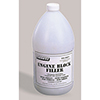
Item Number: MOR35570
$96.99
Usually Ships In 3-5 Business Days

Item Number: COM104
$19.95
Usually Ships In 3-5 Business Days
Item Number: MOR35000
$31.99
Usually Ships In 3-5 Business Days
Item Number: PROB4040
$10.56
Usually Ships In 3-5 Business Days
Item Number: COM152
$18.95
Usually Ships In 3-5 Business Days
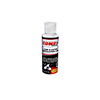
Item Number: COM153
$25.95
Usually Ships In 3-5 Business Days
Choosing Engine Assembly Lube and Related Products
Start with the job the product needs to perform. Assembly lubricants, camshaft lubes, fogging oils, moly products, and block fillers aren't interchangeable, even though they may all be used during engine building, maintenance, or storage.
| Product Type | Best for | Important Distinction |
|---|---|---|
| Engine assembly lube or assembly grease | Compatible bearings, bushings, journals, and other specified engine contact surfaces | Provides lubrication during assembly and initial startup |
| Camshaft assembly lube | Approved camshaft, lifter, and valvetrain surfaces | Follow the camshaft or lifter manufacturer's installation and break-in requirements |
| Moly paste | Compatible high-load or sliding contact surfaces | Use only where the component or lubricant manufacturer specifies it |
| Engine fogging oil | Protecting compatible internal engine surfaces during storage | A storage product, not a replacement for assembly lube |
| Engine block filler | Approved engine-block filling applications | An engine-building material, not a lubricant |
How To Use Engine Assembly Lube
Apply assembly lube to clean, specified contact surfaces according to the lubricant and component manufacturer’s instructions. More isn’t better. The goal is proper coverage without excessive material where it doesn’t belong.
- Clean first: Remove contaminants from the parts, and make sure oil passages are clear.
- Confirm compatibility: Use a lubricant approved for the bearing, camshaft, bushing, journal, or other component.
- Apply the specified amount: Use enough engine bearing assembly lube to provide the coverage directed by the lubricant or bearing manufacturer. There’s no universal amount recommended.
- Keep oil passages clear: Too much assembly lube can restrict oil passages or create other assembly problems. Apply only the specified amount, and keep excess lubricant out of oil passages and other areas where it doesn’t belong.
- Prime before startup: You still need to prime a rebuilt engine’s oiling system when the engine or builder instructions require it. Assembly lube protects specified surfaces during initial startup, but it doesn’t replace proper oil-system priming.
Engine Assembly Lube vs. Motor Oil
Engine assembly lube is formulated to remain on specified engine surfaces during assembly and initial startup, while motor oil provides lubrication during normal engine operation. Don’t automatically substitute one for the other.
- During an engine rebuild: Apply assembly lube to bearings, journals, bushings, and other contact surfaces specified by the engine, component, or lubricant manufacturer.
- Motor oil as a substitute: Don’t use motor oil instead of assembly lube unless the engine or component manufacturer specifies or permits it. Motor oil may not remain on surfaces during assembly and storage the same way a dedicated assembly lubricant does.
- Camshaft break-in lube: Engine assembly lube protects specified components during assembly and initial startup. Camshaft break-in lube is specifically intended for approved camshaft and lifter surfaces during installation and break-in.
- Piston rings and cylinder walls: Don’t use assembly lube on piston rings or cylinder walls. Follow the ring, piston, and engine-builder instructions, which may call for motor oil or another specific preparation.
- Oil compatibility: Some assembly lubes are compatible with conventional and synthetic motor oil, but compatibility depends on the formula. Check the product specifications before setup.
- Before startup: Normally, approved assembly lube doesn’t need to be removed before startup. Leave it on the specified surfaces, keep oil passages clear, and follow the product and engine-builder instructions.
Frequently Asked Questions About Engine Assembly Lubricants
What is engine block filler used for?
Engine block filler is used in approved engine builds to fill part of the water-jacket area and provide additional support around the cylinder walls. How much filler to use and whether it’s appropriate depend on the block, cooling requirements, and engine application. Follow the filler manufacturer’s and engine builder’s instructions rather than treating it as a universal performance modification.
When should you fog a racing engine?
Use engine fogging oil when preparing a compatible engine for extended storage, such as during the off-season. Fogging oil helps leave a protective film on specified internal surfaces while the engine sits. Follow the product and engine manufacturer’s storage procedure because application methods vary by engine and fogging product.
Where should I use moly paste on my race car?
Use moly paste on compatible high-load or sliding contact surfaces where the component or lubricant manufacturer specifies it. Potential applications vary by formula; moly paste is not appropriate on every bearing, joint, or engine component. Check material compatibility, application instructions, and the required lubricant before use.
How long can a rebuilt engine sit before its first startup?
There’s no universal safe waiting period for every rebuilt engine. Storage time depends on the assembly lubricants used, storage conditions, humidity, engine sealing, and builder recommendations. If startup is delayed, follow the engine builder’s storage procedure and inspect, reprime, or relubricate components as directed before starting the engine.
Is assembly grease the same as engine assembly lube?
Sometimes the terms overlap, but not every grease is an engine assembly lube. Assembly products vary in consistency, additives, and intended components. Use assembly grease only where its manufacturer and the component instructions approve it rather than substituting a general-purpose grease.