

BERT Racing Transmissions & Parts
BERT manufactures specialized racing transmissions and drivetrain components for Late Models, Modifieds, Sprint Cars, and other compatible oval-track applications. Behrent’s Performance Warehouse carries complete BERT transmissions, bellhousings, shifters, drive components, rebuild parts, and related components for new installations, repairs, and maintenance. Whether you’re choosing a new BERT transmission or servicing an existing BERT Gen 1 or Gen 2 transmission, identify the model, racing application, and required configuration before ordering. Matching the transmission and related components to the chassis, drivetrain, and applicable class rules helps narrow the selection.
Shop Behrent’s for BERT Racing Transmissions & Parts
Shop complete BERT racing transmissions, rebuild components, shifters, bellhousings, drive components, and related parts for compatible oval-track applications. Compare the transmission model, generation, racing class, dimensions, input and output configuration, and related drivetrain components to find the right setup.
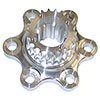
Item Number: BER371-L-H
$168.15
Same Day Shipping If Ordered Before 5pm
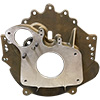
Item Number: BER300-CF-NFC-MAG
$1,106.36
Same Day Shipping If Ordered Before 5pm
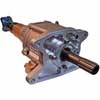
Item Number: BERSG-1500
$3,721.28
Same Day Shipping If Ordered Before 5pm
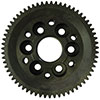
Item Number: BER370-F
$256.05
Same Day Shipping If Ordered Before 5pm
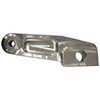
Item Number: BER500-17
$128.37
Same Day Shipping If Ordered Before 5pm

Item Number: BER504-CTD
$562.41
Same Day Shipping If Ordered Before 5pm
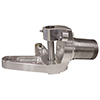
Item Number: BER510-CTD-STEEL
$592.05
Same Day Shipping If Ordered Before 5pm
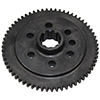
Item Number: BER311-NC
$189.20
Same Day Shipping If Ordered Before 5pm
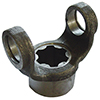
Item Number: BER240-9
$155.67
Same Day Shipping If Ordered Before 5pm
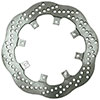
Item Number: BER544-2
$146.01
Same Day Shipping If Ordered Before 5pm
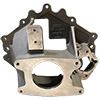
Item Number: BER301-C-NFC-MAG
$1,230.13
Same Day Shipping If Ordered Before 5pm
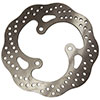
Item Number: BER544
$150.88
Same Day Shipping If Ordered Before 5pm
BERT Transmissions by Racing Application
A BERT racing transmission is a purpose-built racing transmission commonly used in oval-track applications. Many BERT racing transmissions use an internal hydraulic clutch system, although the exact design and operation depend on the transmission model. Depending on the configuration, the transmission provides forward ranges and reverse for maneuvering through the pits and on-track operation, so follow the operating requirements for the specific model.
| BERT configuration | Best for / application | What to confirm |
|---|---|---|
| Gen 1 or LMZ | Maintaining or rebuilding an earlier-generation setup | Exact model, case, transmission length, fluid requirements, and Gen 1-compatible parts |
| Gen 2 Modified | Modified oval-track applications | Chassis layout, transmission length, shifter, bellhousing, and class rules |
| Gen 2 Late Model | Late Model applications | Standard or alternate length, input/output configuration, shifter, and bellhousing |
| Ball-spline | Compatible Late Model or specialized driveline setups | Driveshaft system, output compatibility, required components, and class legality |
| Sprint Car | Sprint Car drivetrain packages | Engine, clutch, starter, bellhousing, coupler, and package contents |
| Rebuild parts and kits | Servicing an existing BERT transmission | Model, generation, part numbers, kit contents, and condition of internal components |
| Shifters and accessories | Completing or changing an installation | Transmission model, generation, cockpit location, and shifter configuration |
BERT configurations are used in dirt and asphalt Late Models, Modifieds, Sprint Cars, and other compatible oval-track classes. Always check the rules for your sanctioning body, series, and class because an approved transmission or driveline configuration in one form of racing may not be permitted in another.
How to Choose the Correct BERT Transmission
Choose a BERT transmission by matching it to the race car, chassis, drivetrain dimensions, bellhousing, input and output requirements, and class rules. Owners of existing cars should also identify the exact BERT model and generation before replacing a transmission or ordering compatible components.
| Selection factor | What to verify |
|---|---|
| Racing application | Late Model, Modified, Sprint Car, or other compatible oval-track class |
| Model and generation | Exact BERT model and Gen 1 or Gen 2 |
| Dimensions | Overall transmission length and chassis/driveline requirements |
| Input and output | Spline configuration and standard vs. ball-spline output |
| Related components | Bellhousing, shifter, coupler, driveshaft, and clutch components |
| Racing rules | Permitted model, case, clutch/output design, and other class restrictions |
BERT Gen 1 and Gen 2 Transmissions
Gen 1 and Gen 2 identify different BERT transmission designs and component families. Housings, internal components, shifters, and rebuild parts may not interchange, so identify the generation and exact model before ordering parts.
For an existing Late Model or Modified chassis, also verify transmission length, input and output configuration, bellhousing, shifter, and other driveline requirements.
Standard and Ball-Spline BERT Transmissions
Standard-output and BERT ball-spline transmissions use different driveline arrangements. Match the transmission, output configuration, driveline components, and chassis setup, and verify that a ball-spline configuration is permitted by your sanctioning body and class rules.
Identify Your BERT Transmission Before Ordering Parts
Identify the exact BERT transmission before ordering service parts. Check the model or part number, generation, transmission length, input and output splines, standard or ball-spline output, bellhousing application, and shifter configuration. For older or unknown transmissions, use BERT parts diagrams or current product documentation to confirm the transmission and components.
BERT Transmission Parts, Rebuild Kits, and Shifters
BERT transmission parts can include bearings, seals, shafts, forks, gears, housings, and related hardware. Match internal components and rebuild kits to the exact transmission model and generation, and check what's included because additional damaged components may need to be purchased separately.
BERT transmission shifters aren't universal. Match the shifter to the model, generation, cockpit location, and regular or remote configuration, along with any related bellhousing, drive-flange, coupler, flywheel, and hydraulic-clutch components.
BERT Transmission Fluid and Maintenance
Use the fluid specified for your BERT transmission and follow its model-specific fill procedure. There isn't one universal change interval for BERT Blue Magic or BERT transmission fluid; service frequency depends on the model, racing schedule, operating conditions, and fluid condition.
Signs that a BERT transmission needs inspection can include metal debris, unusual noise or vibration, difficulty selecting a range, jumping out of gear, leaks, inconsistent shifting, or hydraulic-clutch problems. These symptoms don't necessarily mean a complete rebuild is required.
Frequently Asked Questions About BERT Transmissions
How much fluid does a BERT transmission hold?
Fluid capacity varies by BERT transmission model and generation. Verify the capacity and fill procedure for your exact model, using its specified fluid level or fill point to determine the final amount.
Can you use motor oil in a BERT transmission?
Use the fluid specified for your exact BERT transmission rather than substituting motor oil or another lubricant. Check current BERT specifications before choosing a fluid or substitute.
How do you bleed a BERT hydraulic clutch?
Bleeding removes air from the hydraulic system while maintaining the proper fluid level. Because procedures can vary by transmission and clutch setup, follow BERT's instructions for your specific configuration.
How many forward speeds does a BERT transmission have?
BERT racing transmissions commonly use two forward ranges: a lower range for leaving the pits and maneuvering and a racing range for on-track use. Confirm the operation of your specific model.