

Auto Racing Adhesives, Tape & Epoxy
Auto racing adhesives and related repair products give racers different ways to bond, secure, seal, protect, and make approved repairs in the shop or at the track. Behrent’s carries racing adhesives, racing tape, automotive spray adhesive, metal repair epoxy, PTFE thread seal tape, and exhaust wrap coating for specific jobs around a race car. Use tape for compatible temporary repairs and securing jobs, spray adhesive for approved insulation, fabric, or similar materials, and epoxy when the repair calls for a hardened, gap-filling bond. Match the product to the surface, required bond, operating temperature, chemical exposure, and cure time. A product that works well on metal may not be suitable for plastic, fiberglass, painted bodywork, or fabric, and heat, fuel, oil, and moisture resistance vary by formula. For structural or safety-critical repairs, use only products specifically rated for the application and follow the component and product manufacturers’ instructions.
Shop Behrent’s for Automotive Adhesives
Shop Behrent’s for automotive adhesives, tapes, epoxies, thread seal tape, and coatings for race car repair, fabrication, plumbing, and trackside work. Compare products by material compatibility, bond type, temperature and chemical resistance, application method, and cure requirements.
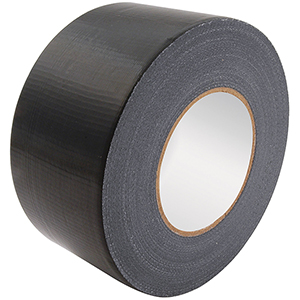

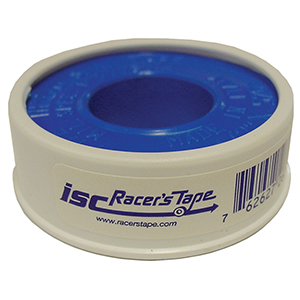


Item Number: ALL14141
$8.89
Usually Ships In 3-5 Business Days
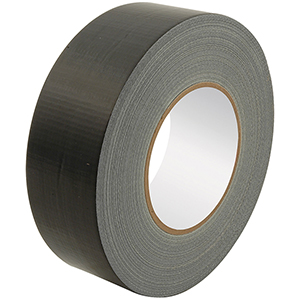
Item Number: ALL14153
$10.99
Usually Ships In 3-5 Business Days

Item Number: ALL14155
$10.99
Usually Ships In 3-5 Business Days
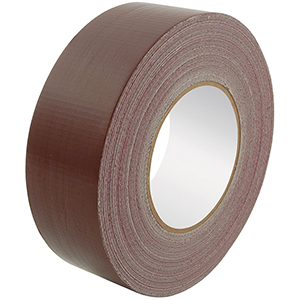
Item Number: ALL14158
$10.99
Usually Ships In 3-5 Business Days
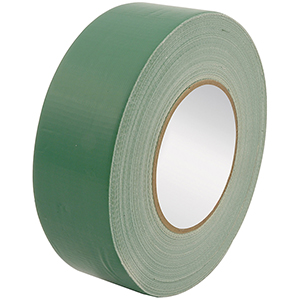
Item Number: ALL14157
$10.99
Usually Ships In 3-5 Business Days

Item Number: ALL14156
$10.99
Usually Ships In 3-5 Business Days
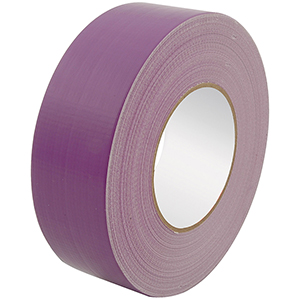
Item Number: ALL14159
$10.99
Usually Ships In 3-5 Business Days
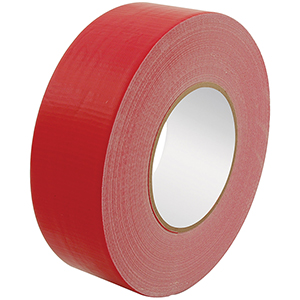
Item Number: ALL14152
$10.99
Usually Ships In 3-5 Business Days
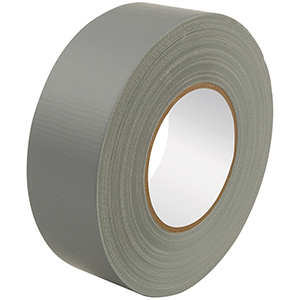
Item Number: ALL14150
$10.99
Usually Ships In 3-5 Business Days
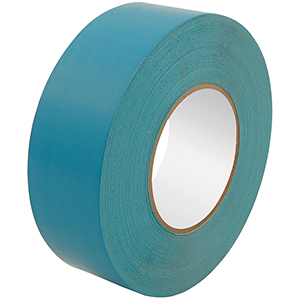
Item Number: ALL14162
$10.99
Usually Ships In 3-5 Business Days
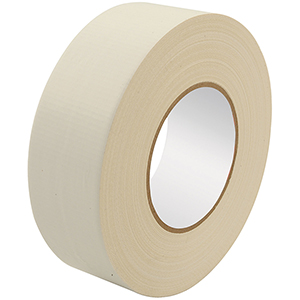
Item Number: ALL14151
$10.99
Usually Ships In 3-5 Business Days
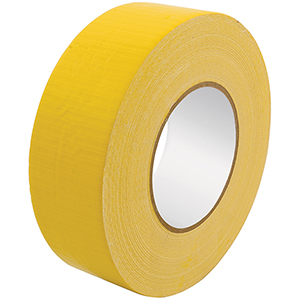
Item Number: ALL14154
$10.99
Usually Ships In 3-5 Business Days
Racing Tape, Spray Adhesive, Epoxy & Thread Seal Tape
Racers tape, spray adhesive, and metal repair epoxy perform different jobs: racing tape provides a removable or temporary hold, spray adhesive bonds compatible materials across a larger surface, and metal repair epoxy cures into a hardened, gap-filling repair. Thread seal tape and exhaust-wrap coating serve separate sealing and protective functions.
| Product Type | Best for | Key Consideration |
|---|---|---|
| Racing tape | Temporary repairs, marking, sealing gaps, and securing compatible lightweight components | Check adhesive strength, surface compatibility, removal characteristics, and temperature rating |
| Automotive spray adhesive | Bonding compatible insulation, fabric, foam, and other broad surfaces | Verify material compatibility, temperature range, application method, and cure time |
| Metal repair epoxy | Filling gaps and making approved hardened repairs to compatible metal and other specified surfaces | Check approved materials, service temperature, fluid resistance, and cure requirements |
| PTFE thread seal tape | Sealing compatible tapered pipe threads | Use only on the correct thread type and verify fluid and temperature compatibility |
| Exhaust wrap coating | Sealing and protecting compatible installed exhaust wrap | This is a purpose-made coating, not a general adhesive or ordinary paint |
How To Choose Automotive Adhesives for Race Car Repairs
Match the adhesive to both the material you’re repairing and the conditions the repair will face. A product labeled high-temperature, heavy-duty, or automotive won’t always work on every race car component.
- Surface material: Confirm racing adhesive compatibility with metal, plastic, fiberglass, fabric, insulation, paint, or other surfaces involved in the repair.
- Type of repair: Decide whether you need a temporary or removable hold, sealing, gap filling, or a more permanent bond.
- Operating conditions: Check the adhesive product specifications for heat, vibration, moisture, fuel, oil, and other chemical exposure. Resistance varies by formula.
- Working and cure time: Make sure the product gives you enough time for positioning or assembly and can fully cure before the car returns to service.
- Structural repairs: General-purpose racing adhesives aren’t suitable for structural or safety-critical components. Use only a product expressly rated for that application and follow the vehicle, component, and adhesive manufacturers’ instructions.
How To Apply Automotive Adhesive or Racing Tape
Prepare the surface by removing dirt, loose material, old adhesive, oil, and other contamination using a cleaning method approved for both the surface and product. Good surface preparation helps the adhesive or tape make the bond it was designed to provide.
- Clean and dry: Let the prepared surface dry completely before application unless the product specifies otherwise.
- Follow the application instructions: Apply the tape, adhesive, or epoxy at the specified thickness or coverage and observe any required clamping or working time.
- Allow enough cure time: Cure time varies with the formula, application thickness, temperature, and humidity. Don’t put the repair into race conditions until it reaches the cure specified by the manufacturer.
- Remove residue carefully: Follow the tape or adhesive manufacturer’s removal directions. Before applying a compatible adhesive remover to painted bodywork, test it in an inconspicuous area.
Frequently Asked Questions About Auto Racing Adhesives
What kind of tape is best to put on a race car grill?
Gaffer-style racing tape is commonly used for temporary grill coverage when its adhesive, temperature rating, and surface compatibility suit the application. Choose tape that holds securely under race conditions but can be removed as intended. Not all racers tape will remove cleanly from every painted, coated, or composite surface.
Can you paint an exhaust wrap?
Yes, when you use a coating specifically designed for exhaust wrap. An exhaust wrap coating can color, seal, and help protect compatible installed wrap from abrasion and liquid exposure according to the manufacturer’s specifications. Don’t substitute ordinary spray paint or spray adhesive unless the product manufacturer specifically approves it for the application.
When should you use PTFE thread seal tape instead of liquid thread sealant?
Use PTFE thread seal tape when the fitting uses compatible tapered pipe threads and the tape is approved for the fluid and operating temperature. Liquid thread sealant may be specified for other threaded applications. Follow the fitting or component manufacturer’s instructions rather than treating the two sealants as universally interchangeable.
Can automotive racing adhesives withstand high temperatures?
Some automotive adhesives are formulated for high-temperature use, but temperature limits vary considerably by product. Check both the rated service temperature and approved application before use. A high-temperature rating doesn’t mean an adhesive is suitable for exhaust components, engine parts, or every material exposed to heat.
Can metal repair epoxy be used around gasoline or oil?
Some metal repair epoxy formulas resist gasoline or oil after full cure, while others aren’t approved for those fluids. Check the specific product’s chemical-resistance specifications before using epoxy on a component exposed to fuel or lubricant.
Is racing tape safe to use on painted race car bodywork?
Some racing tape is suitable for temporary use on compatible painted surfaces, but adhesive strength, paint condition, temperature, and application time all affect removal. Check the tape manufacturer’s recommendations first. For an unfamiliar tape or finish, test a small, inconspicuous area before covering visible race car bodywork.