

Racing Harnesses
Peak performance hinges on driver safety, so we offer a premier selection of auto racing harness systems ranging from 5-point setups to advanced cam lock configurations. A properly fitted racing harness helps distribute impact forces evenly across your body, providing maximum protection during high-speed maneuvers and sudden stops. Both 5- and 6-point racing harness designs help keep drivers securely positioned in the seat when cornering loads and race conditions intensify. We carry both latch and link and cam lock harness designs so you can choose the latching style that best suits your needs and preferences. Find bolt-in and wraparound options that work with your installation method and racing seat setup. An SFI racing harness helps ensure your safety gear meets recognized performance standards while delivering reliable protection on the track. Choose a Simpson, Impact, or RaceQuip harness from trusted industry leaders and race with the confidence that comes from knowing you’re securely strapped in from the green flag to the checkered.
Shop Behrent’s for Racing Harnesses
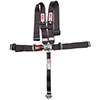
Item Number: SIM29064BKH
$169.95
Same Day Shipping If Ordered Before 5pm
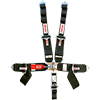
Item Number: SIM29061BKH
$159.95
Same Day Shipping If Ordered Before 5pm
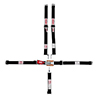
Item Number: SIM29025BK
$149.95
Same Day Shipping If Ordered Before 5pm
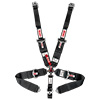
Item Number: SIM29110BKH
$309.95
Same Day Shipping If Ordered Before 5pm
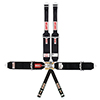
Item Number: SIM290636HK
$169.95
Same Day Shipping If Ordered Before 5pm
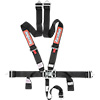
Item Number: RQP711001RQP
$139.95
Same Day Shipping If Ordered Before 5pm
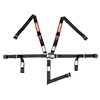
Item Number: RQP709009RQP
$129.95
Same Day Shipping If Ordered Before 5pm
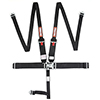
Item Number: RQP717007RQP
$139.95
Same Day Shipping If Ordered Before 5pm
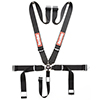
Item Number: RQP741001RQP
$209.95
Same Day Shipping If Ordered Before 5pm
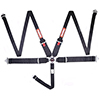
Item Number: RQP745005RQP
$239.95
Same Day Shipping If Ordered Before 5pm
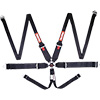
Item Number: RQP746006RQP
$249.95
Same Day Shipping If Ordered Before 5pm
Item Number: SIM31022
$19.95
Same Day Shipping If Ordered Before 5pm
Frequently Asked Questions About Racing Harnesses
Who makes the best racing harness?
Some of the most trusted names in motorsports safety include Simpson, Impact, and RaceQuip. A quality racing harness from brands like Simpson, Impact, or RaceQuip is designed to meet strict safety standards and deliver dependable performance on the track. For the best protection on race day, make sure your auto racing harness is installed correctly, fits snug but comfortably, and meets SFI or FIA certification requirements.
What is the difference between a 4-point, 5-point, and 6-point racing harness?
The main difference between harness systems is the number of attachment points securing the driver. A 4-point harness includes two shoulder belts and two lap belts. A 5-point racing harness adds a single anti-submarine belt between the driver’s legs to help prevent sliding under the lap belt during an impact. A 6-point racing harness uses two anti-submarine belts for improved load distribution and driver stability, which is why it is commonly used in modern auto racing harness systems.
How tight should a racing harness be?
A racing harness should be snug enough to keep the driver firmly positioned in the seat without restricting breathing or movement needed to control the car. Shoulder belts should lie flat and tight against the driver’s body, while lap belts should sit low across the hips. Whether using a latch and link or cam lock harness, proper adjustment is essential to ensure it performs correctly during racing conditions.